
Designing the systems that drive behavior.
A behavioral systems consultancy by
Jonathan Pierce. Turning buyer psychology into behavioral systems
that drive revenue.





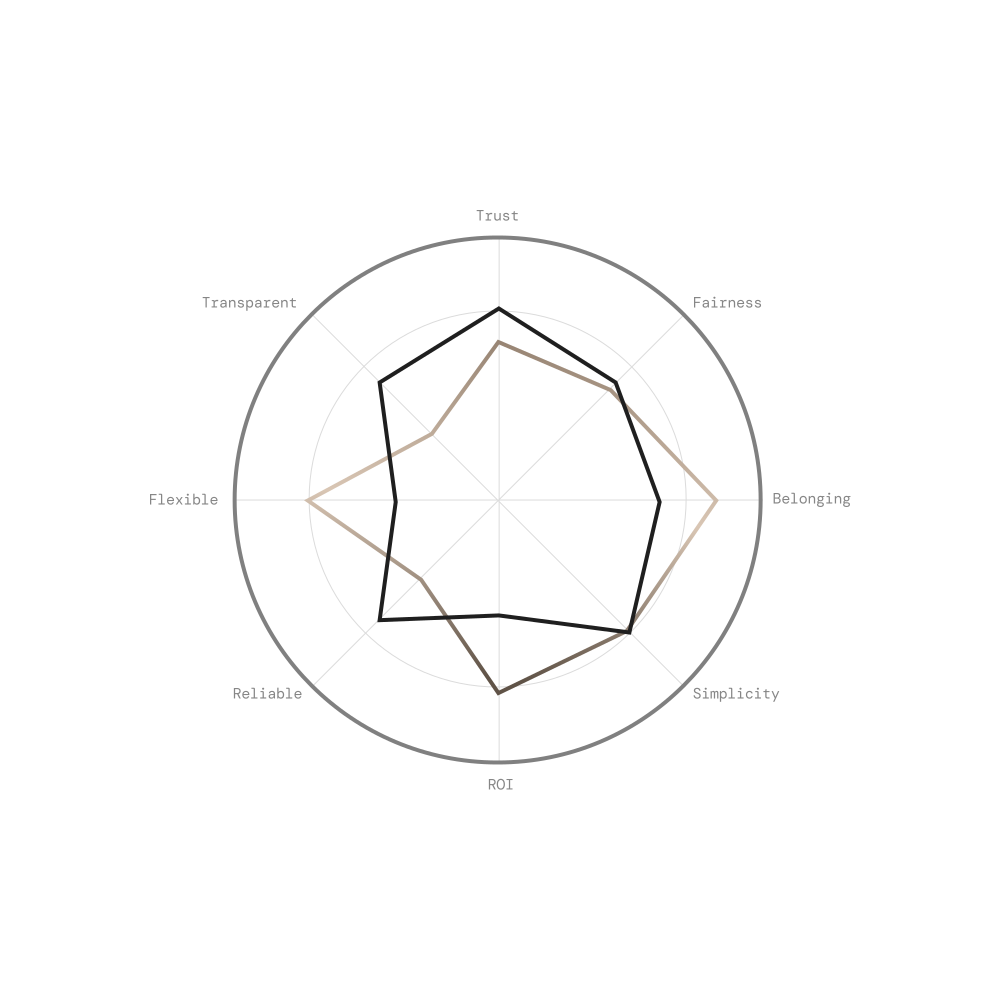
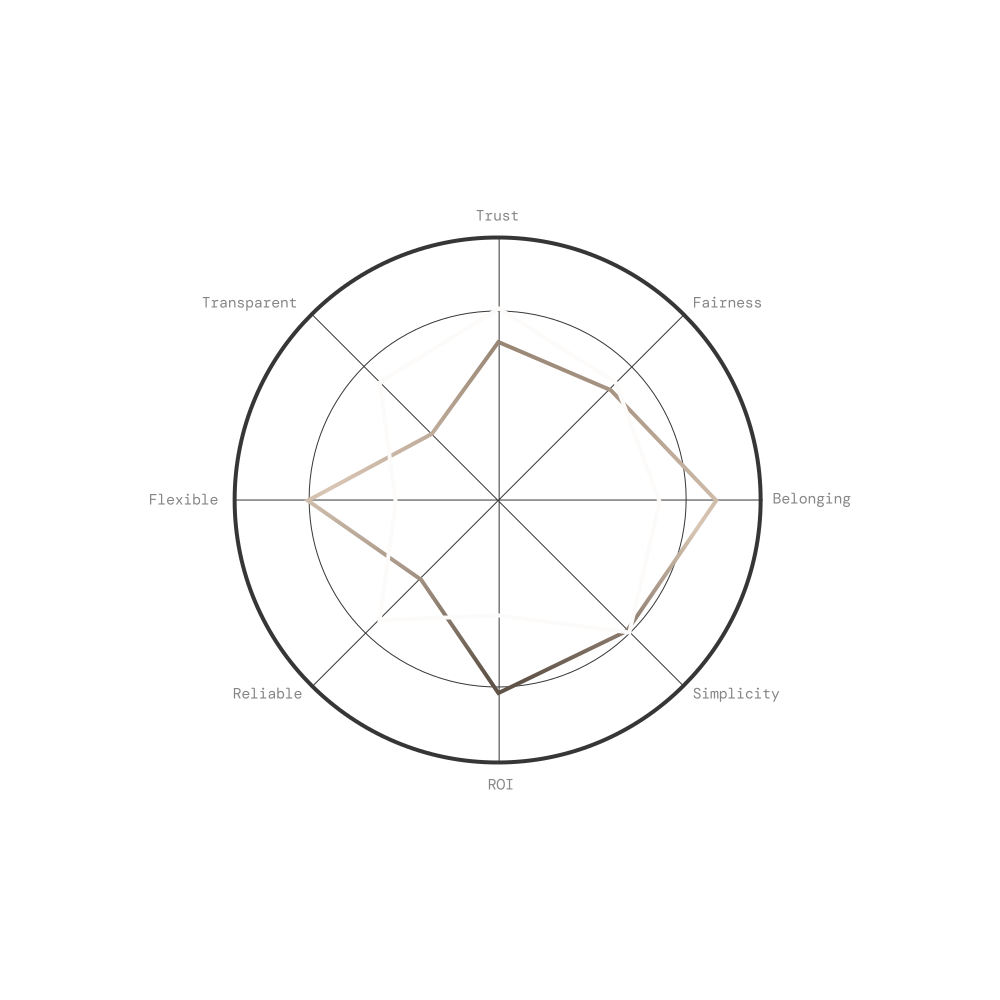
Fragmented structures create fractured experiences.
Customers don’t experience teams, roadmaps, or org charts. They experience your business as a whole, making fast judgments that shape how they see your brand. When internal boundaries drive the work, those seams surface as broken flows, mixed signals, and experiences that quietly erode trust.
Great products, flat behavior
Teams invest in design and features, yet customer behavior stays the same. The product improves, but adoption, engagement, and conversion stall.
Features over decisions
Roadmaps optimize what users can do, not why they choose to do it. Without intentional decision design, progress remains incremental.
Growth without structure
Funnels, prompts, and experiments pile up without unifying logic. Growth becomes fragile, dependent on constant effort, instead of reinforced behavior.
Brand and reality diverge
The brand promises one thing. The product delivers another. Customers struggle to understand what’s valuable, leading to price sensitivity and weak differentiation.


From optimizing moments to stellar experiences.
Instead of optimizing isolated moments, we focus on the full experience people actually have. By designing how those moments connect, we help teams create products that feel clear, trustworthy, and easy to move forward with.
Decisions become predictable
People don't behave randomly. They respond to cues, constraints, and incentives. By shaping the decision environment, behavior becomes easier to anticipate and influence.
Value becomes felt, not explained
Customers experience value instead of being told about it. Brand, product, and pricing all reinforce the same signal, reducing friction and hesitation.
Growth becomes structural
Growth isn't driven by constant tactics or pressure. The right behaviors are reinforced naturally over time.
Teams align around outcomes
Behavioral systems create a shared lens across product, design, growth, and leadership. Teams stop optimizing in silos and start designing toward the same behavioral outcomes.
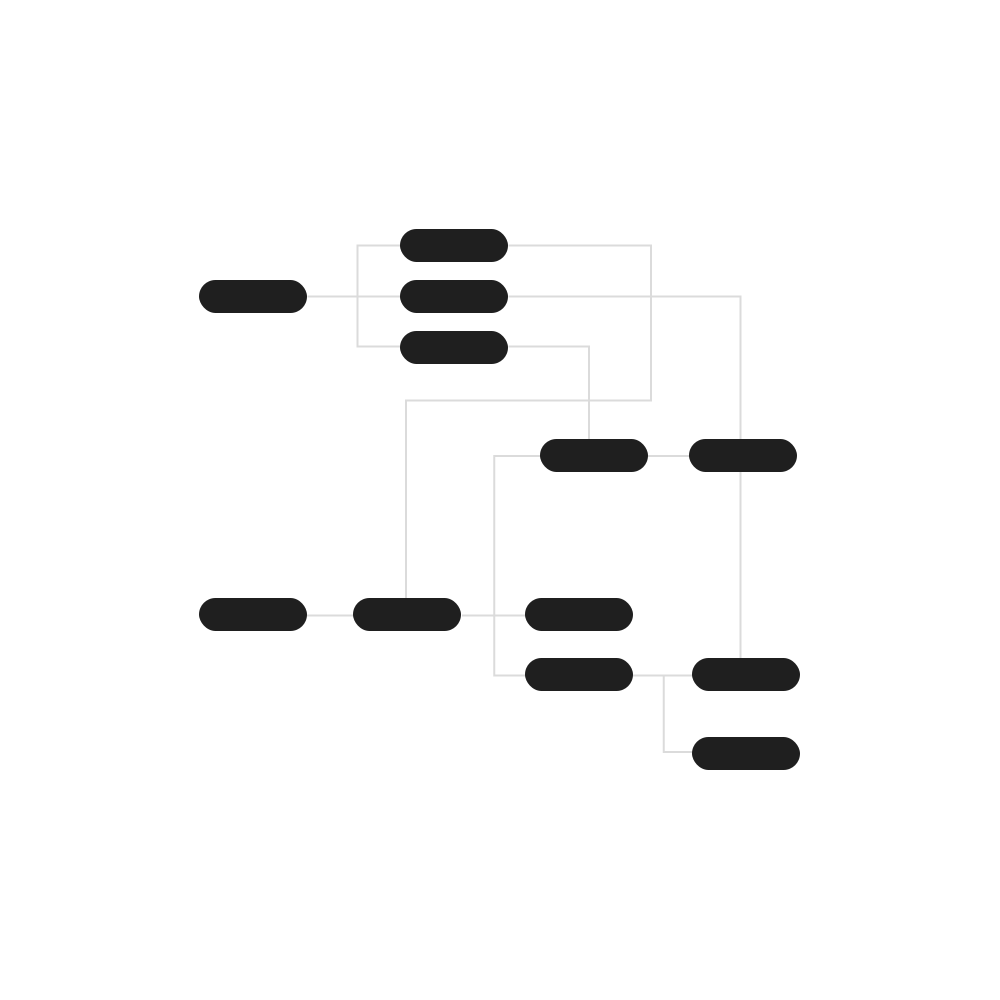
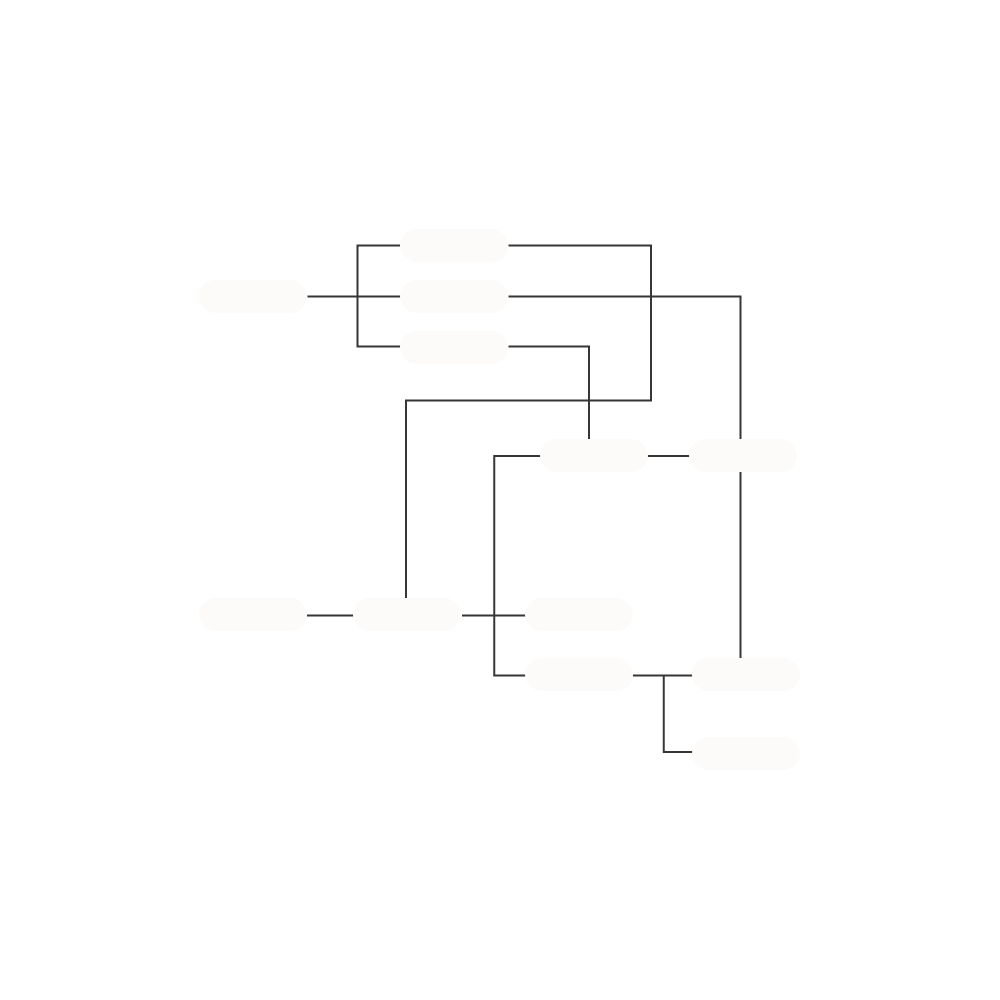
Turn user research into revenue architecture
We work across six service areas — each one a fixed-scope engagement designed to close a specific kind of behavioral gap. For most teams, the Behavioral Audit is the right starting point. It surfaces which of the other services will produce the most leverage for your business.
How it fits together:
-
01
Start with a diagnostic
The Behavioral Audit surfaces which behavioral gaps are producing your current outcomes — and which services will produce the most leverage.
-
02
Engage at the right layer
Each service targets a specific layer — growth, brand, product, design, or team alignment — with a fixed scope and a fixed price.
-
03
Build the system
Every engagement ships something durable. Built to be used, extended, and compounded by your team over time.
Services
Behavioral Audit
Pierce/Co.'s flagship diagnostic, delivered through Enargea. Scores your business across nine behavioral dimensions and seven core systems — and explains why your metrics look the way they do.




Product & Experience Design
Hands-on design for the surfaces where behavioral decisions are most concentrated — onboarding, activation, upgrade, and retention flows where small design choices produce outsized results.

Translating complexity into clarity for over 16 years.
Founded by Jonathan Pierce, Pierce/Co. was built on the premise to help teams turn ambiguous challenges into clear, actionable systems. With experience ranging from high-growth startups to large enterprises, Pierce/Co. brings tenured-level thinking without the overhead of a traditional agency.
About Pierce/Co.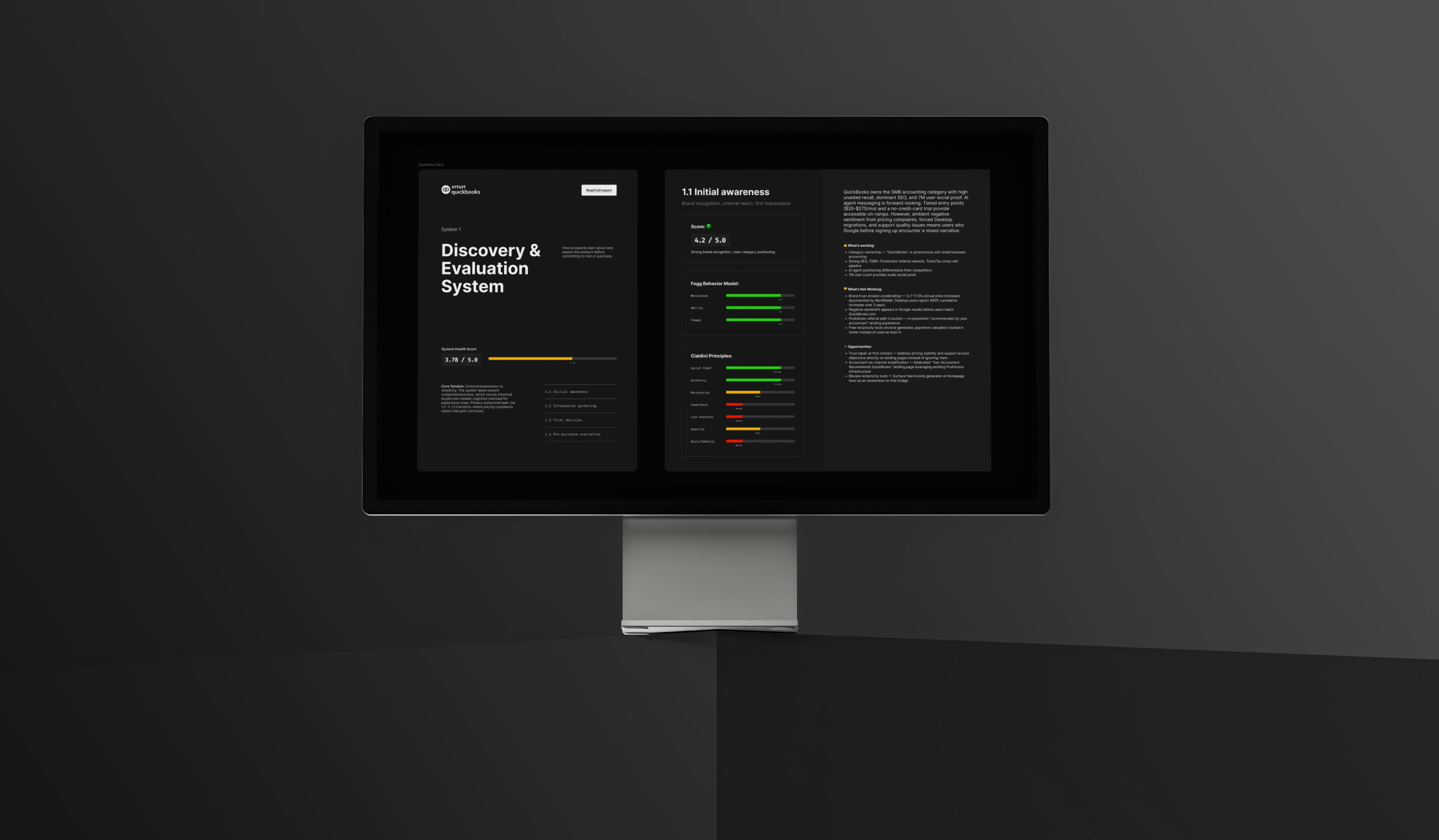
What a behavioral audit found inside QuickBooks Online
A diagnostic engagement that used buyer psychology to surface why retention had quietly become the most important problem in the business.

Building a behavioral growth playbook for QuickBooks Online
A pattern library, a governance layer, and a set of behavioral directives, designed to be a corrective system, not a catalog.

The thousand-foot gap
I've spent years inside teams that were talented, well-funded, and genuinely committed to building good products. And I kept seeing the same thing happen

The missing architecture
There's a layer between strategy and execution that most teams don't have language for — let alone a practice around.

The science behind behavioral architecture
Psychology has already mapped the patterns of human behavior. The science exists — we just don't build with it.

A new model for strategic decision making
Four weeks. Transparent pricing. Behavior you can track.

Customer behavior, made undeniable.
Built by Pierce/Co. to stop static deliverables.